

After years of serving San Diego homeowners, I can tell you that garage door springs are one of the most critical components we service, and they’re often the most neglected. These hardworking parts bear the entire weight of your garage door every single time it opens and closes, and when they fail, it usually happens without much warning.
I’ve responded to countless emergency calls where a spring has snapped unexpectedly, leaving homeowners unable to get their cars out for work. Understanding the warning signs can save you from this frustrating situation and potentially prevent costly damage to your garage door system.
Table of Contents
How Long Do Garage Door Springs Actually Last?
Most residential garage door springs are rated for 10,000 to 15,000 cycles, with one cycle equaling a single opening and closing. For the average household, this translates to roughly seven to nine years of service, though many factors can shorten this lifespan.
In our San Diego coastal communities like Pacific Beach and Ocean Beach, the salt air can accelerate wear and corrosion significantly. I’ve seen springs in these areas fail in as little as five years, while inland homes in Rancho Bernardo or Poway might get a few extra years from their springs.
If you use your garage door as your primary entry point, opening and closing it four or more times daily, you’ll reach that cycle limit much faster than someone who rarely uses their garage.
Visible Gaps or Separation in the Spring Coils
One of the clearest warning signs I point out to homeowners is visible separation in the spring coils. When you look at your torsion spring (the large spring mounted above your garage door), you should see tightly wound coils sitting close together.
If you notice gaps where the coils have separated or stretched apart, that spring is nearing the end of its life. This happens because the metal has fatigued from thousands of cycles of tension and release, and these are among the Top Signs Your Garage Door Needs Immediate Repair.
I always recommend taking a photo of your springs when they’re new so you have a reference point. This makes it much easier to spot changes over time, especially if you’re not sure what “normal” looks like.
Your Garage Door Feels Heavy or Won’t Stay Open
A properly functioning spring system counterbalances the weight of your garage door, making it easy to lift manually. If you disconnect your opener and try to lift the door yourself, it should feel relatively light and stay open when raised about three to four feet off the ground.
When springs start failing, you’ll notice the door feels much heavier than usual. It might drop quickly when you try to hold it partially open, or it won’t stay up at all without support.
This is dangerous territory. I’ve seen garage doors slam down unexpectedly, and with doors weighing 150 to 300 pounds, this poses a serious safety risk to anyone nearby.
Strange Noises During Operation
I tell my San Diego clients to trust their ears when it comes to garage door maintenance. Springs that are wearing out often produce distinctive sounds that signal trouble ahead.
You might hear squeaking, grinding, or popping noises when the door operates. While some noise is normal, especially during our dry Santa Ana wind season when everything needs more lubrication, sudden changes in sound patterns usually indicate a problem.
The most alarming sound is a loud bang, like a firecracker going off in your garage. That’s typically a spring breaking, and it happens because of the tremendous tension these springs hold. If you hear this, don’t attempt to operate your door until we can inspect it.
The Door Opens Unevenly or Crooked
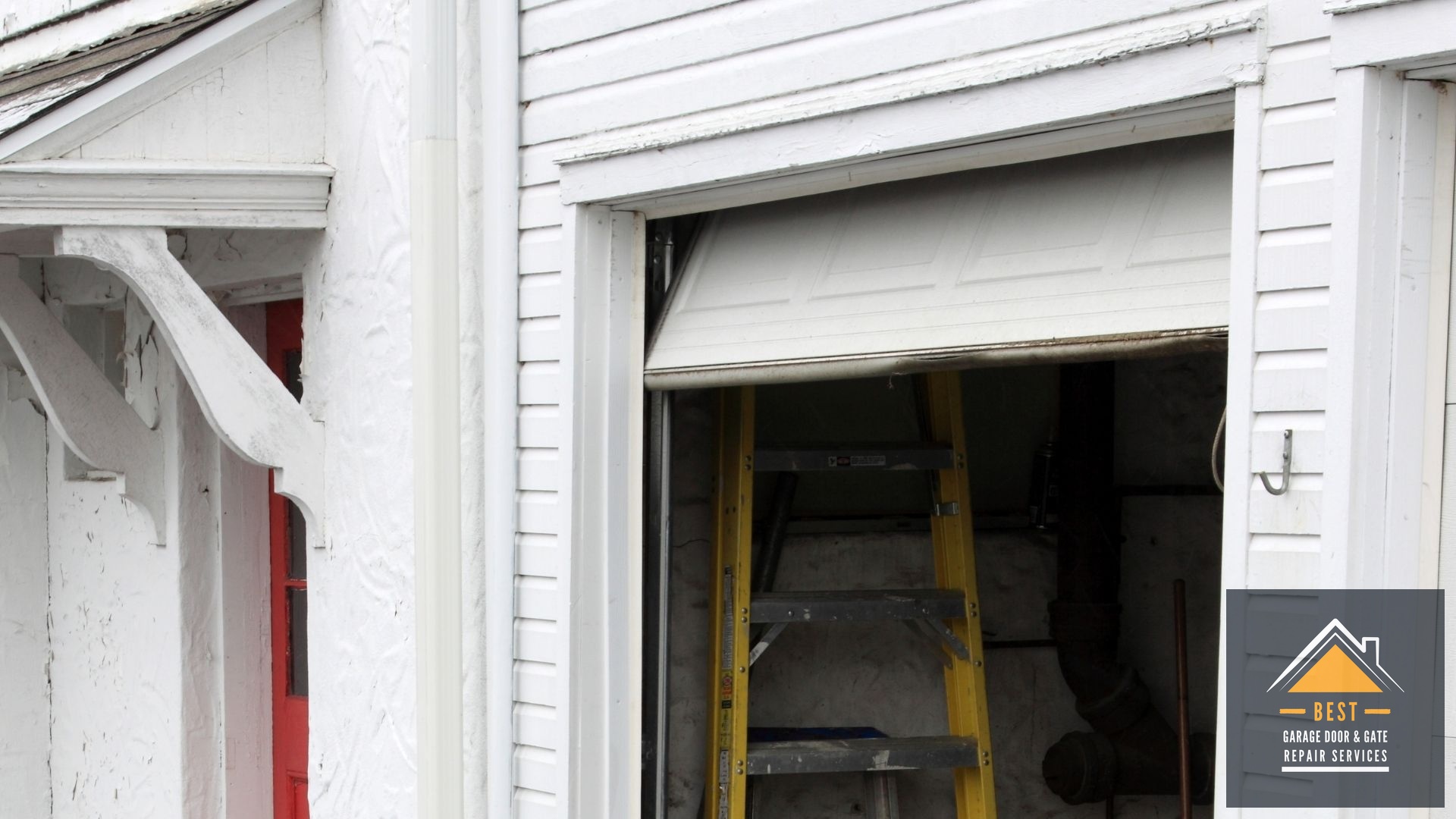
When one spring fails or weakens significantly, your garage door will show it by opening unevenly. You’ll notice one side lifting faster or higher than the other, creating a crooked appearance.
This happens because your door relies on balanced tension from both springs (if you have a two-spring system) or even tension across the single spring. When that balance is disrupted, the door can’t travel smoothly along its tracks.
Operating your door in this condition puts excessive strain on your opener, cables, and other hardware. What starts as a spring problem can quickly cascade into a much more expensive repair if you continue using the door, and recognizing the Signs You Need A Garage Door Repair Service early can save you money.
What Causes Springs to Wear Out Faster Than Expected?
Springs fail early for several preventable reasons. Lack of lubrication is the biggest culprit I see in Southern California homes, especially during our warm, dry summers when metal components can dry out quickly.
Our coastal humidity and salt air in areas like Point Loma and Mission Valley cause rust and corrosion that weaken the metal over time. Temperature fluctuations, though less dramatic here than in other parts of the country, still cause the metal to expand and contract, leading to fatigue.
Poor initial installation or using springs with inadequate weight ratings for your door will also shorten their lifespan considerably. This is why I always stress the importance of professional installation with properly rated components.
Can You Replace Just One Spring?
Technically yes, but I rarely recommend it. If you have two springs and one breaks, the other is the same age and has been through the same number of cycles. It’s likely to fail very soon, often within weeks or months.
Replacing both springs at once saves you money in the long run because you avoid a second service call and additional labor charges. It also ensures balanced operation and extends the overall life of your garage door system.
We always replace springs in pairs for our San Diego customers unless there’s a specific circumstance that makes single replacement more practical, which is rare, and we keep quality Garage Door Parts in stock for all repairs.
Why Spring Replacement Isn’t a DIY Project
I need to be direct about this: garage door spring replacement is genuinely dangerous and should never be attempted by homeowners. The torsion springs we use on most modern garage doors hold hundreds of pounds of tension.
Without the proper tools and training, releasing that tension can result in serious injury. I’ve seen fingers crushed, wrists broken, and even facial injuries from springs that released unexpectedly during amateur repair attempts.
Our team uses specialized winding bars and follows strict safety protocols developed through years of experience. What might seem like a simple fix can turn into a medical emergency in seconds.
Trust the Experts at Best Garage Door for Safe Spring Replacement
If you’ve noticed any of these warning signs in your garage door, don’t wait for a complete failure. Our team at Best Garage Door has been serving San Diego County for years, and we’ve handled thousands of spring replacements safely and efficiently.
We provide upfront pricing, use only high-quality springs rated for your specific door, and complete most replacements in under two hours. More importantly, we back our work with solid warranties so you have peace of mind.
Contact Best Garage Door today to schedule an inspection. We’ll assess your springs, explain exactly what you need, and get your garage door operating safely again, whether you need residential service or Commercial Garage Door Repair. Your safety and satisfaction are our top priorities, and we’re here to keep your home secure and functional.


Leave A Comment