



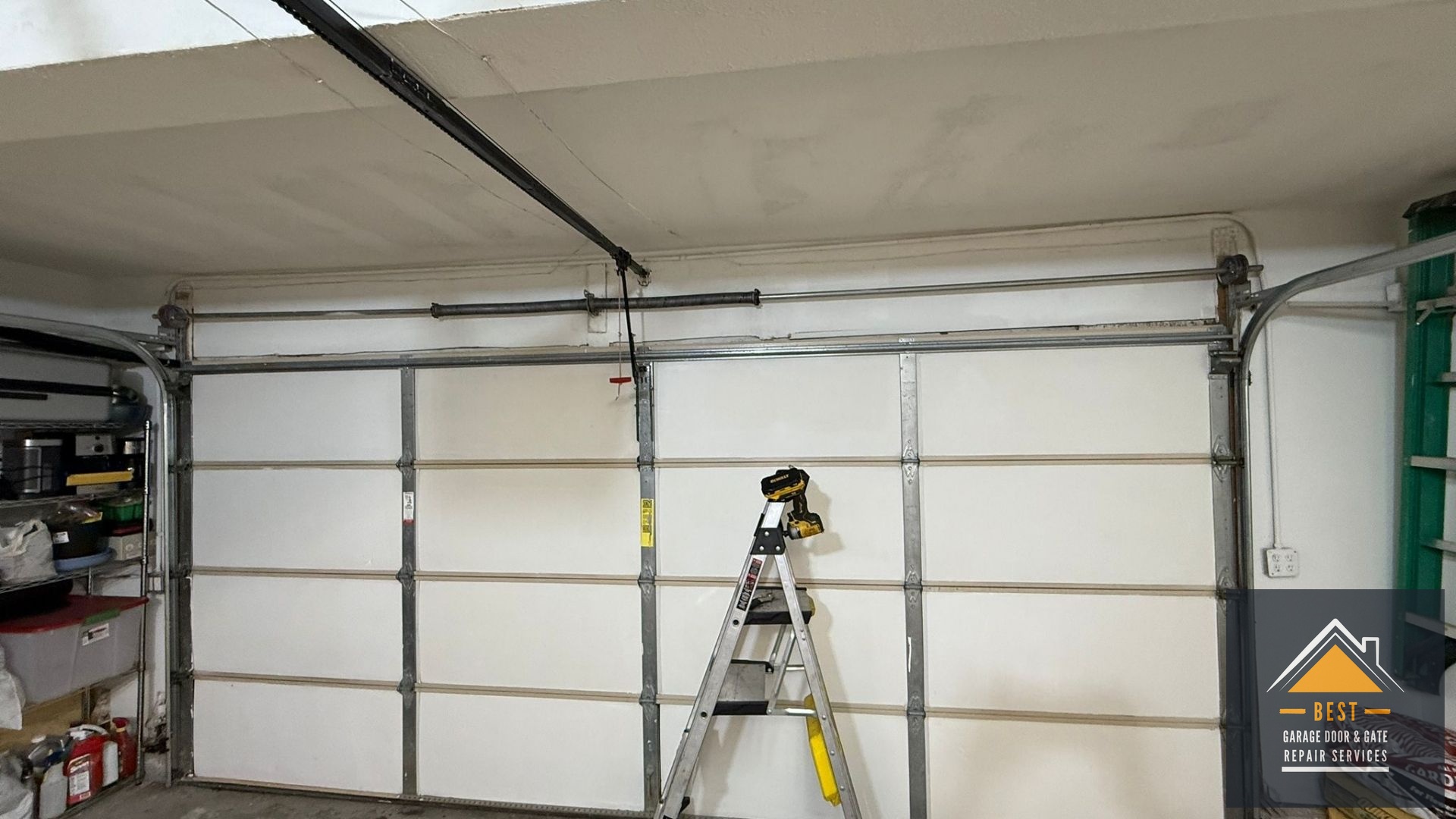
I’ve responded to countless service calls across San Diego where homeowners notice their automatic gate moving slower than usual or making unusual noises. Nine times out of ten, when I arrive at the property, I find a sagging chain that’s caused the problem.
A sagging gate chain isn’t just an aesthetic issue. Over the years serving San Diego County, I’ve seen how this seemingly minor problem can lead to complete system failure, motor burnout, or even safety hazards for your family and pets.
What Causes a Gate Chain to Sag?
Gate chains sag primarily due to normal wear and stretching over time as the metal links gradually elongate under constant tension and use. This is especially common in Southern California where we use our gates daily in warmer temperatures that can accelerate material fatigue.
I’ve also found that improper initial installation contributes significantly to premature sagging. When chains aren’t tensioned correctly from the start, they wear unevenly and develop slack much faster than they should.
Environmental factors unique to San Diego play a role too. Salt air in coastal areas like Pacific Beach and Point Loma can corrode chain links, while dust and debris from Santa Ana winds work their way into the mechanisms, causing additional wear. Just as Curb Appeal Impacts Your Property’s Appearance, a poorly maintained gate affects your home’s overall presentation and functionality.
How Do I Know If My Gate Chain Needs Adjustment?
You’ll likely notice other warning signs before measuring. The gate may hesitate when opening or closing, make grinding or clicking sounds, or move jerkily instead of smoothly.
In some cases, an overly loose chain can actually jump off the sprocket completely. I’ve seen this happen during windy conditions, and it always requires immediate Gate Opener Repair And Service to prevent motor damage.
The Safe Way to Tighten Your Gate Chain
Before attempting any adjustment, disconnect power to your gate operator at the breaker. I can’t stress this enough after seeing too many close calls with homeowners who skipped this crucial safety step.
Most chain-driven gate systems have an adjustment mechanism near the motor assembly. Look for a tensioning bolt or adjustment nut that allows you to move the motor position slightly, which increases chain tension.
Here’s the process I follow on every job:
The chain should move smoothly without excessive tightness. Over-tightening creates as many problems as a sagging chain, putting unnecessary strain on the motor and sprockets. Similar to How To Prepare For Your Garage Door Installation, proper preparation and following the correct procedures ensure the best results.
When to Call a Professional Instead
Keep Your Gate Operating Smoothly
A sagging gate chain might seem like a minor inconvenience, but I’ve seen how quickly it can escalate into expensive repairs or complete system replacement. Regular inspection and timely adjustment extend your gate’s lifespan significantly.
If you’re experiencing chain sag or any other gate performance issues in the San Diego area, our team at Best Garage Door is here to help. We’ll assess your system, make the necessary adjustments safely, and ensure your gate operates reliably for years to come. Contact us today for expert gate service you can trust.








Leave A Comment