




After years of servicing garage doors throughout San Diego County, I’ve noticed a clear pattern. Homeowners who follow a simple annual maintenance routine rarely call us for emergency repairs.
Those who skip regular care? They’re often dealing with expensive breakdowns at the worst possible times.
I created this garage door maintenance checklist based on what we’ve learned from thousands of service calls across Southern California. These straightforward steps will keep your door operating smoothly and help you avoid the most common problems we see in our coastal climate.
What Should I Inspect First During Garage Door Maintenance?
Start with a visual inspection of all moving parts while the door is closed. Look for signs of wear, rust, or damage on springs, cables, rollers, and hinges. This takes about five minutes and catches most problems before they become serious.
Pay special attention to cables for fraying or loose strands. We respond to dozens of cable failures each year in San Diego, and nearly all of them showed warning signs weeks earlier. If you spot any damage, stop using the door immediately and call a professional.
Testing Your Safety Features
Lubricating Moving Parts
Proper lubrication reduces friction, decreases noise, and extends the life of your Garage Door Parts and components. I recommend using white lithium grease or a silicone-based garage door lubricant, never WD-40, which actually attracts dirt.
Apply lubricant to hinges, rollers, springs, and the opener’s chain or belt. A light coating is enough. You don’t want excess dripping onto your car or creating a mess on the floor.
San Diego’s warm climate means lubricants can thin out faster than in cooler regions. I suggest checking lubrication twice yearly if your garage faces direct sun exposure.
Tightening Hardware and Checking Balance
Vibration from normal operation loosens bolts and screws over time. Walk around your door with a socket wrench and tighten any loose hardware you find. This simple step prevents rattling and keeps components properly aligned.
To check door balance, disconnect the opener and manually lift the door halfway. A properly balanced door stays in place. If it falls or rises on its own, the springs need adjustment by a professional.
Weatherstripping Replacement
The rubber seal along your door’s bottom protects against dust, pests, and weather. Check it for cracks, tears, or gaps. Even in San Diego’s mild climate, deteriorated weatherstripping lets in insects and reduces energy efficiency.
Replacing weatherstripping is one maintenance task most homeowners can handle. New seals cost between fifteen and thirty dollars at hardware stores and simply slide into the existing track.
Cleaning and Painting
When Should I Schedule Professional Maintenance?
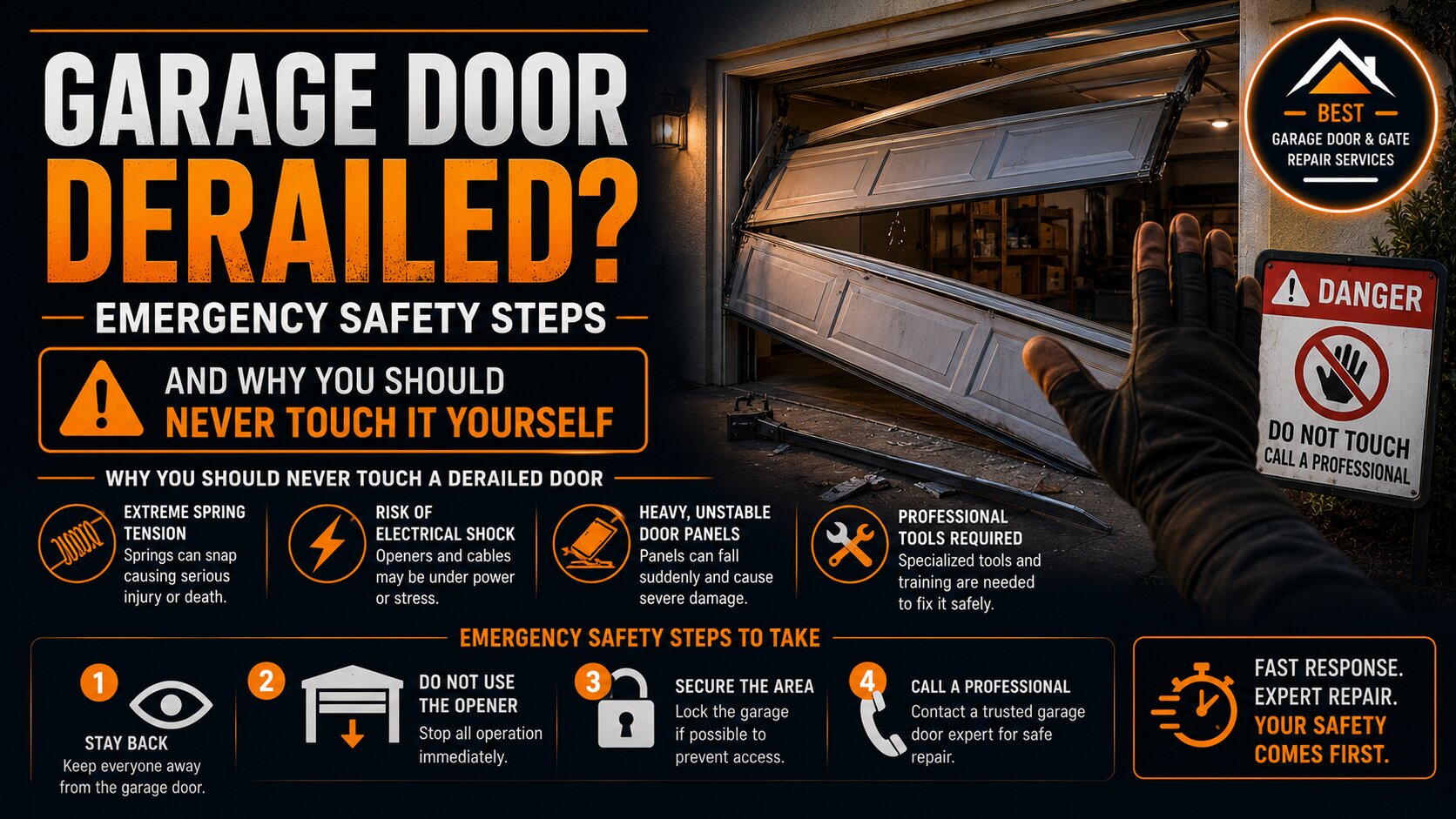
Schedule a professional tune-up once yearly, even if your door seems fine. We catch developing issues during these visits that homeowners typically miss. Our trained eyes spot worn bearings, misaligned tracks, and weakening springs before they fail, similar to how we diagnose Garage Door Off-Track Issues before they cause major damage.
Professional maintenance typically costs between one hundred and one hundred fifty dollars and includes adjustments, comprehensive testing, and expert lubrication. This investment prevents repairs that often run five to ten times higher.
Keep Your Garage Door Running Smoothly
Regular maintenance isn’t complicated, but it makes a tremendous difference in your garage door’s performance and lifespan. Our team at Best Garage Door has seen doors last thirty years with proper care and others fail within ten from neglect.
If you need help with any maintenance task or want to schedule your annual professional inspection, reach out to Best Garage Door. We’ve been keeping San Diego garage doors operating smoothly for years, providing everything from residential maintenance to Commercial Garage Door Repair, and we’re here whenever you need us.







Leave A Comment