



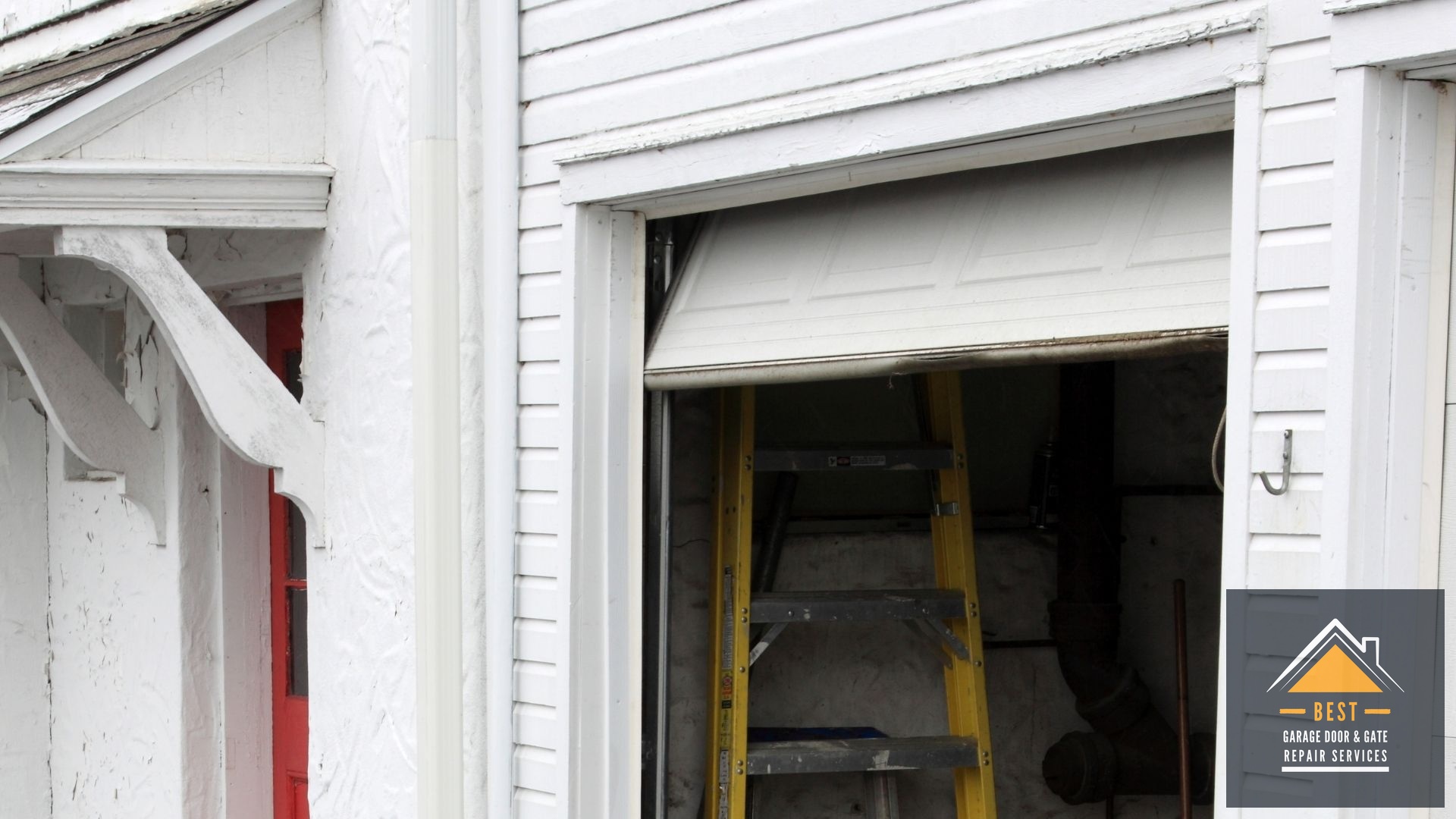
I’ve responded to countless emergency calls where a snapped garage door cable left homeowners stranded and their vehicles trapped inside. After years serving San Diego County, I can tell you that frayed cables are one of the most overlooked safety hazards in residential garages, yet they’re entirely preventable when you know what to watch for.
Garage door cables work alongside your springs to lift and lower several hundred pounds of door safely. When these cables begin to fray, you’re literally on borrowed time before a complete failure occurs.
What Exactly Do Garage Door Cables Do?
Garage door cables are the steel wire ropes that run from the bottom corners of your door up through the track system. They work in tandem with the springs to control the door’s movement and prevent it from crashing down if a spring breaks.
Each cable typically supports hundreds of pounds of tension. When one fails, the door becomes unbalanced and can slam shut with devastating force, potentially causing serious injury or property damage.
Why Do Garage Door Cables Fray and Break?
Cables fray primarily due to age, friction, and environmental factors. Here in Southern California, our coastal humidity and salt air accelerate corrosion, particularly in neighborhoods like Pacific Beach and Point Loma where ocean exposure is constant. We also see significant wear from:
I’ve noticed that garage doors in San Diego’s inland areas like Rancho Bernardo experience different wear patterns than coastal properties, and Commercial Garage Door Repair needs often reflect these environmental differences. The temperature fluctuations and Santa Ana winds create their own set of challenges for cable integrity.
What Does a Frayed Garage Door Cable Look Like?
Frayed cables show visible signs of deterioration that you can spot during a simple visual inspection. Look for individual wire strands that have separated from the main cable, creating a “fuzzy” or splintered appearance along any section of the cable.
Other warning signs include:
If you notice any of these symptoms, stop using your garage door immediately. A cable can snap without warning, and the consequences can be severe.
How Dangerous Is a Frayed Garage Door Cable?
I’ve seen snapped cables result in crushed vehicles, damaged property, and near misses with children and pets. The door can fall in less than a second, with enough force to cause life-threatening injuries.
Beyond the immediate danger, a broken cable creates secondary problems. The door becomes stuck in position, your opener can burn out trying to move the unbalanced door, and the remaining cable often fails shortly after due to increased stress. Understanding which Garage Door Parts need attention can prevent these cascading failures.
Can You Prevent Garage Door Cable Failure?
Regular inspections are your best defense against cable failure. We recommend visual checks every three months, looking specifically for fraying, rust, or unusual wear patterns.
Preventive maintenance includes:
Our San Diego clients who invest in preventive maintenance rarely experience emergency cable failures. The small cost of routine service is nothing compared to emergency repair bills and potential injury, and sometimes learning about Garage Door Replacement Worth The Investment can help you make informed decisions about your door’s future.
When to Call a Professional About Your Cables
Never attempt to replace garage door cables yourself. These components operate under extreme tension and require specialized tools and expertise to handle safely. If you notice any fraying, unusual sounds, or uneven door movement, contact our team at Best Garage Door immediately. We’ll inspect your entire cable system, check for underlying issues causing premature wear, and replace damaged cables before they fail. Issues with cables can sometimes be related to track problems, so understanding Why Did My Garage Door Come Off The Track can provide valuable context.
Your garage door is the largest moving object in your home. Don’t gamble with your family’s safety by ignoring frayed cables. We’re here to keep San Diego homeowners safe with fast, reliable cable inspection and replacement services.







Leave A Comment